- Home |
- Products
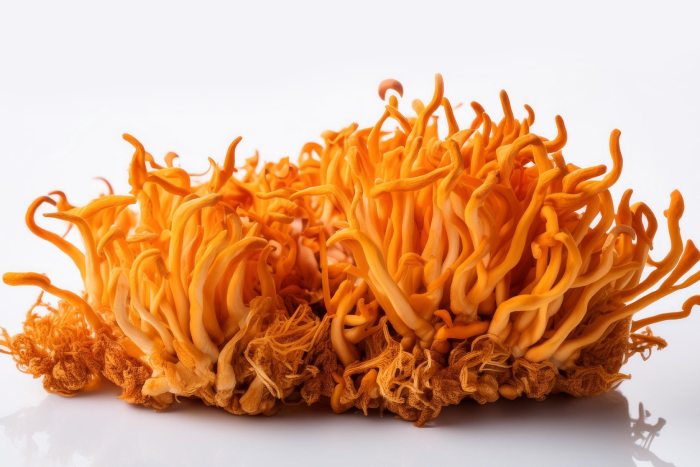
Cordyceps Militaris
Key Aspects of Cordyceps Militaris
- Traditional Use: Has a long history in traditional Chinese medicine for its potential to improve health, endurance, and longevity.
- Cultivation: Wild Cordyceps militaris is rare, but successful cultivation methods are now widely used, making it accessible as a supplement.
- Active compounds: Contains beneficial compounds such as polysaccharides, cordycepin, adenosine, and cordycepic acid.
Health Benefits
- Energy and Endurance: Can increase oxygen uptake and enhance cellular energy production.
- Immune support: May modulate the immune system, helping the body react appropriately to challenges.
- Anti-Inflammatory: Shows potential in inhibiting inflammatory responses, which may be relevant for diseases like cancer and colitis.
- Antioxidant: Possesses antioxidant properties.
- Forms: Available as a dried mushroom, which can be brewed into a tea, or as a supplement in capsule form.
Historical Use and Classification
Cordyceps Militaris has a long history of use in traditional Chinese medicine, with its first recorded use dating back to the Tang dynasty (618-907 AD). It was first scientifically described by Carl Linnaeus in 1753 and received its current name in 1818. Historically, it was used as a tonic and to treat various ailments, with cultivation in Asia beginning in the early 2000s after a surge in the late 1990s.
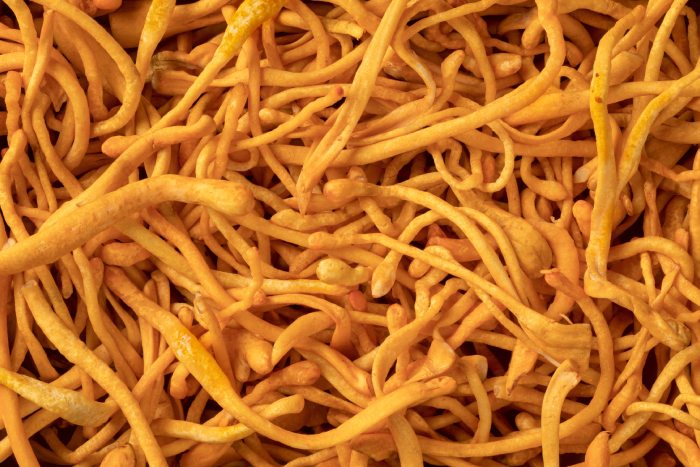
- Traditional Chinese Medicine: Cordyceps militaris has been used for centuries as a tonic to boost energy, strength, and vitality. It was also used to address respiratory, kidney, and liver diseases, and was prized during the Ming dynasty for its aphrodisiac properties.
- First Scientific Description: Carl Linnaeus first described the species in 1753, classifying it as Clavaria militaris.
- Modern Scientific Name: The fungus was renamed Cordyceps militaris by Johann Heinrich Friedrich Link in 1818.

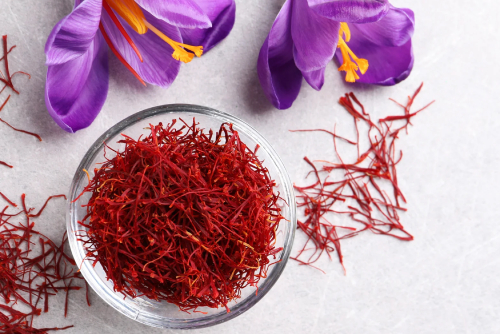
Saffron
(Coming Soon)

Cordyceps Capsule
(Coming Soon)

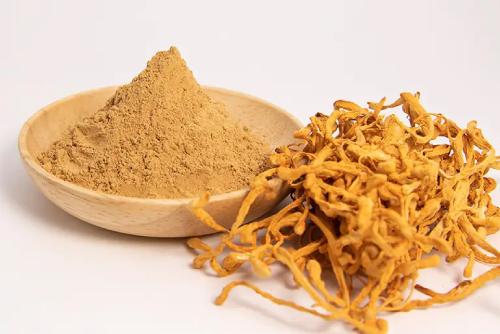
Cordyceps Powder
(Coming Soon)

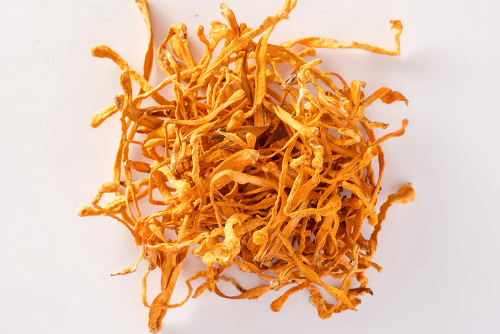
Dried Cordyceps Militaris
Benefits of Cordyceps Militaris